
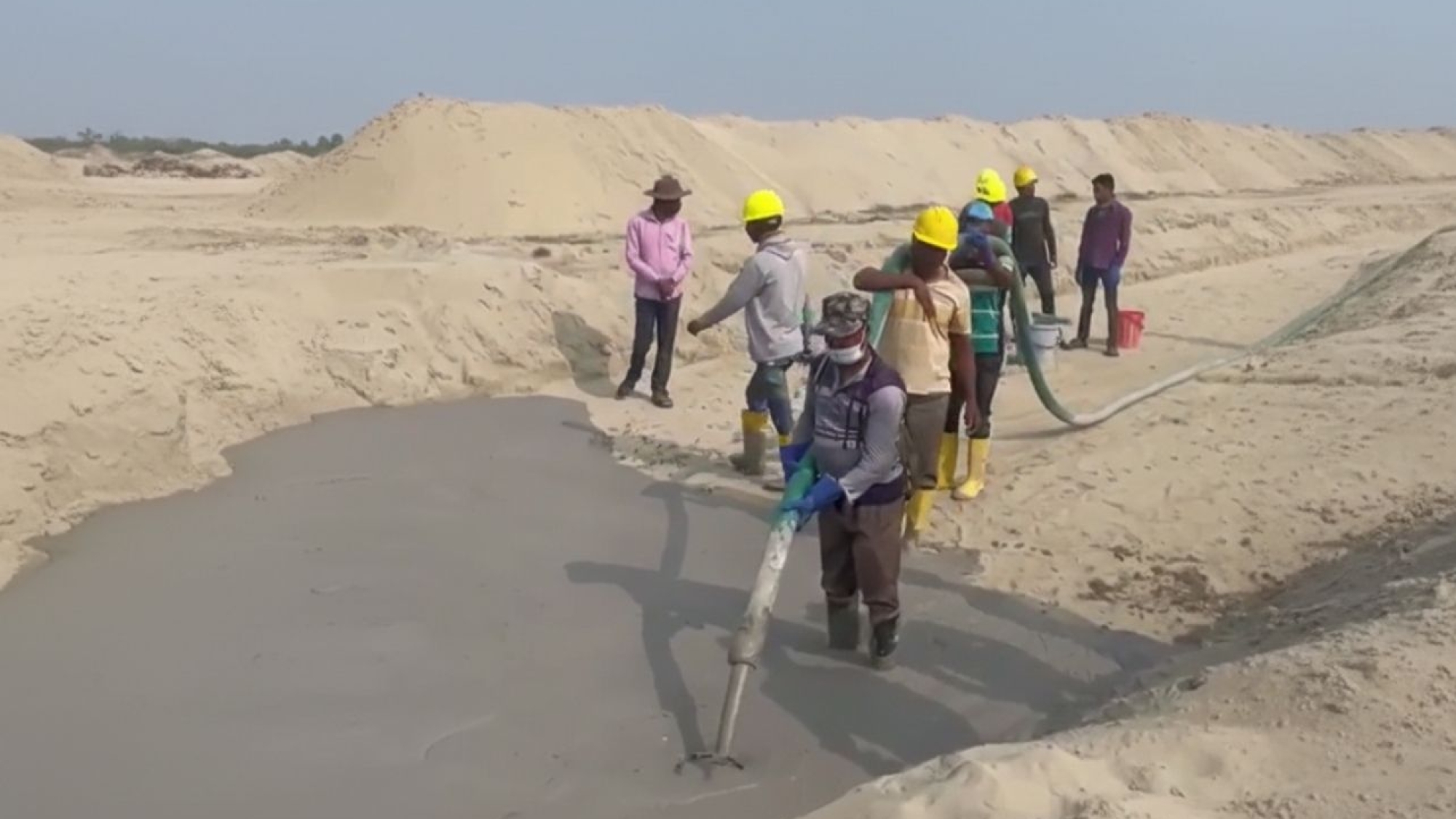
Why Foam Concrete Matters
Road maintenance is a persistent challenge, often caused by cracks and settlement in traditional concrete. Foam concrete offers a lightweight alternative that reduces stress on the soil beneath roads, ensuring long-term stability and minimizing repair needs.
What is Foam Concrete?
Foam concrete is a lightweight construction material made by mixing water, cement, and foaming agents. The process traps air bubbles within the mixture, lowering its density while maintaining strength.
- Density Control: Adjusting the water-slurry ratio changes the density.
- Composition: Contains fine cement particles without coarse aggregates.
- Additives: Materials like powdered fuel ash (PFA) or limestone dust can enhance quality.
Benefits of Foam Concrete in Road Construction
1. Energy Absorption
Foam concrete absorbs the kinetic energy of moving vehicles, preventing cracks and extending road life. Unlike traditional concrete, it withstands heavy loads without damage—making it a long-term investment.
2. High Strength
Despite being lightweight, foam concrete has high compressive strength. Once hydrated, it forms a rigid structure capable of supporting heavy traffic and bridge loads.
3. Prevents Settlement
Because of its low weight, foam concrete reduces pressure on the soil beneath roads. This prevents shifting or sinking, ensuring the concrete layer remains intact for years.
4. Cost Efficiency
- Requires minimal maintenance, saving long-term costs.
- Can be placed directly over soil without foundations.
- Spreads easily, reducing labor and equipment expenses.
5. Faster Construction
Foam concrete is often used as pre-prepared blocks, which are lightweight, easy to transport, and simple to cut or modify. This accelerates construction timelines significantly.
6. Freeze-Thaw Resistance
In cold climates, traditional concrete suffers from freeze-thaw damage. Foam concrete resists this issue, ensuring durability even in extreme weather conditions.
Conclusion
Foam concrete combines low density, high strength, durability, and sustainability, making it an ideal choice for modern road construction. Its ability to reduce costs, save time, and withstand environmental challenges positions it as a preferred material for long-lasting infrastructure.
Would you like me to also condense this into a short blog-style version (around 400–500 words) for quick reading, or keep it as a technical article for industry professionals?
Add a Comment